In my time doing facial plastic surgery, I’ve seen countless patients that come in from failed operations.
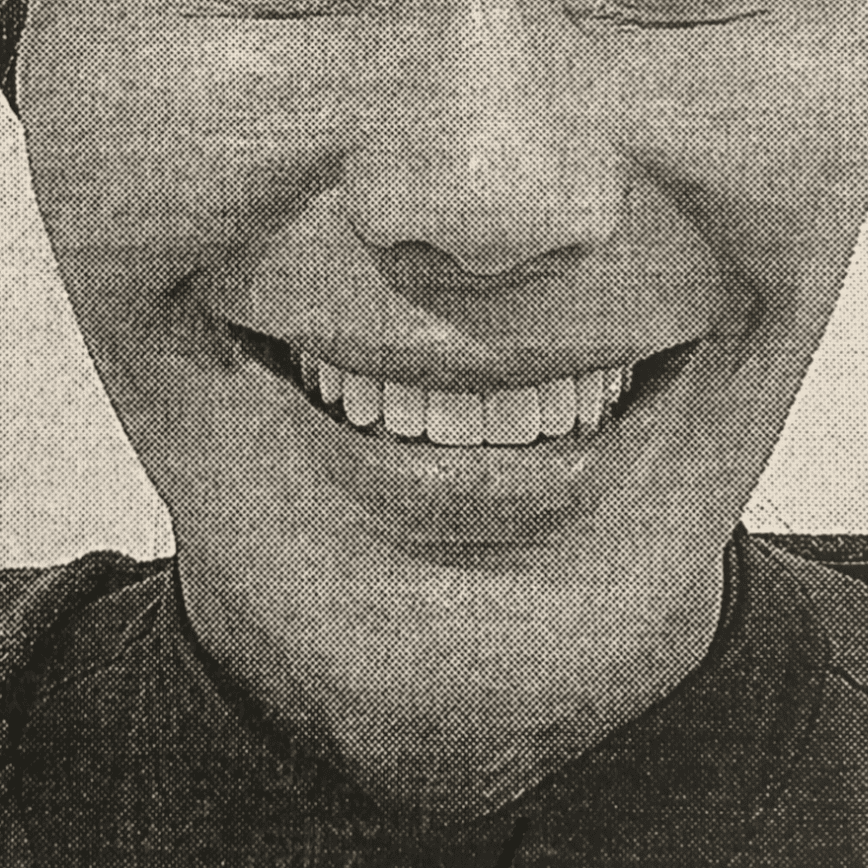
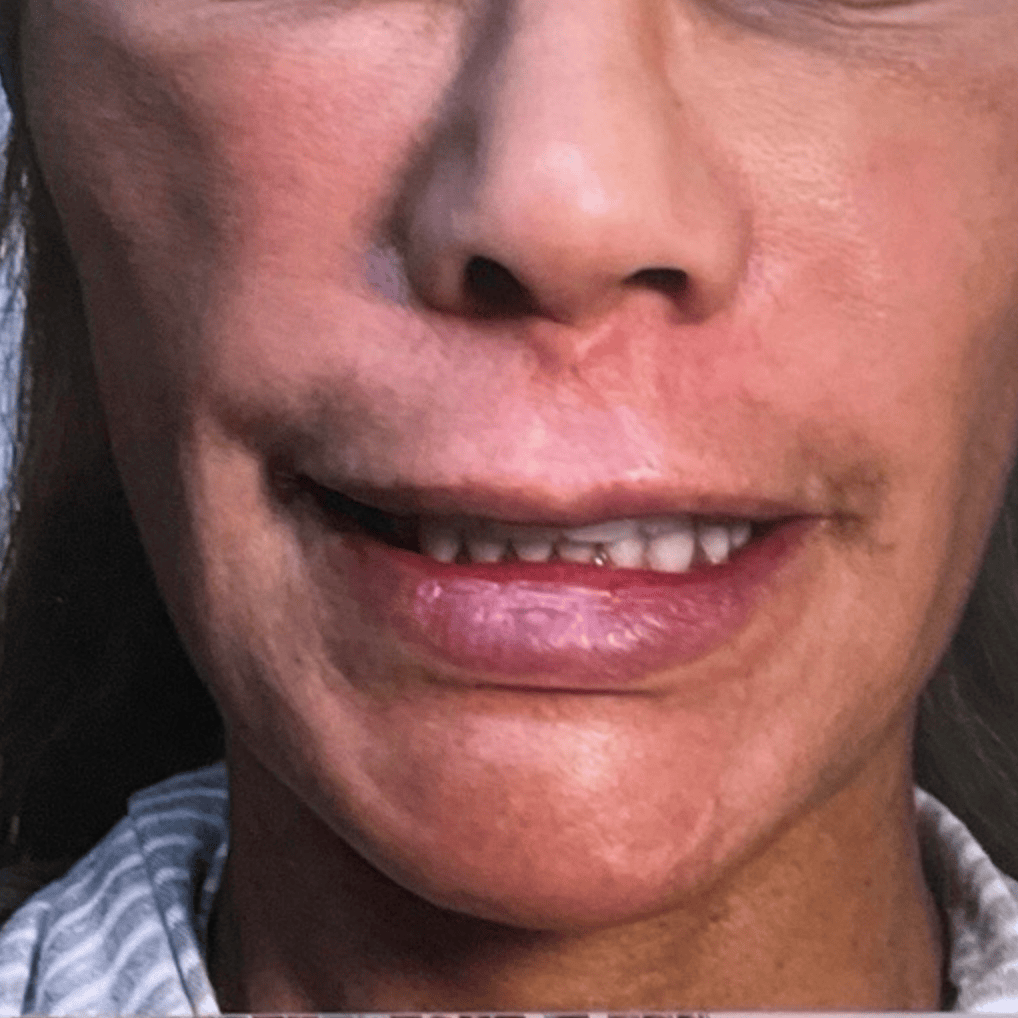
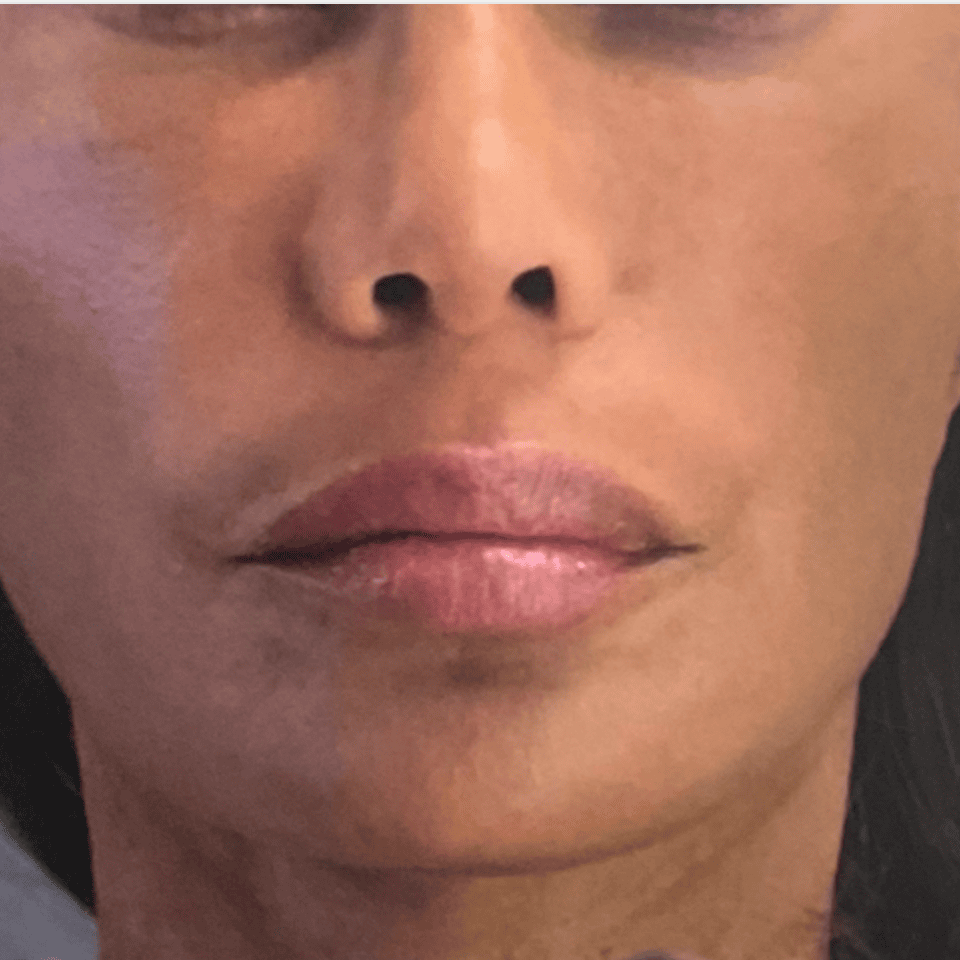
She walks in feeling discouraged. He avoids mirrors. They describe a mouth that looks “pulled,” a midface that feels “stuffed,” or an expression that no longer reflects who they are. Often, they’ve already invested time, trust, and significant resources into a prior facelift or injectable treatment—only to feel more disconnected from their own reflection.
These aren’t simply cosmetic disappointments. They’re anatomical distortions.
The Problem with “Standard” Pulling
Traditional facelift techniques—particularly those relying heavily on lateral tension—treat facial aging as a sideways problem. Skin and SMAS are pulled outward toward the ears in an attempt to create tightness and lift.
But facial aging doesn’t happen sideways.
Muscles descend vertically. Fat compartments shift downward. Retaining ligaments attenuate. When we correct vertical descent with horizontal tension, we create disharmony. The result can be the all-too-familiar “wind-tunnel” look, the “joker” smile, or a midface that appears overfilled and immobile.
As someone working at Northwestern University in Biomedical Engineering—and practicing as a Level 1 Facial Trauma Surgeon—I approach these cases from a structural perspective. In trauma, you don’t camouflage distortion. You restore anatomy. The same principle applies in aesthetic revision.
A “Backwards” Approach to Restoration
At Chicago Cosmetic Surgery, my practice is built around what I call a “Backwards” Muscle Restoration technique.
Instead of pulling skin tighter, we:
- Reposition descended musculature inward and upward
- Restore vertical vector support
- Release abnormal tethering
- Reestablish structural balance before addressing surface refinement
The goal is not tightness.
The goal is anatomical congruence.
When muscle is restored to where it originally lived, the face softens. The mouth relaxes. The eyes regain harmony. Most importantly, patients recognize themselves again.
The Patients Who Need Us Most
I am currently accepting referrals for complex cases, including:
• Revision Facelifts
Correcting the “wind-tunnel” or “joker” appearance following prior SMAS or deep plane procedures.
• Anatomic Restoration After Injectables
Addressing overfilled or migrated product not just through dissolution—but through structural surgical repositioning when necessary.
• Complex Reconstructions
Applying trauma-based anatomical expertise to challenging revisions that require deeper structural insight.
A Call for Collaboration
Collaboration has always been central to my work—whether at Northwestern or through research initiatives like BL Peptide. The most complex revision cases benefit from multidisciplinary insight: Dermatologists, ENTs, Oral Surgeons, Plastic Surgeons, and Facial Trauma specialists working together.
If you are managing a patient whose prior surgery has failed their anatomy—not just their aesthetics—I welcome a peer-to-peer discussion.
There is a restorative path forward.
📩 MDs & Specialists: Please reach out directly to discuss a case or schedule a consultation.
Because when a facelift fails, the answer isn’t tighter.
It’s smarter anatomy.