By Dr. Michael Byun
The Problem With Modern Facelifts: Why So Many Look the Same
In aesthetic surgery today, we are witnessing a quiet crisis of sameness.
Scroll through before-and-after galleries, and a pattern emerges—faces that look unnaturally widened, midfaces that appear flattened, and results that carry a “swept” or windblown appearance. Despite advanced techniques and high price points, the outcome often looks unmistakably surgical.
The issue is not effort. It is direction.
Most modern facelifts rely on lateral, “up-and-out” vectors that pull tissue toward the ears. This approach ignores how the face actually ages—and in doing so, it creates distortion rather than restoration.
The result is not rejuvenation. It is displacement.
A Different Foundation: Training in the Golden Age of Surgery
My career began before social media, before marketing-driven techniques, and before aesthetic trends dictated surgical decisions.
I trained in what I consider the Golden Age of plastic surgery—an era defined not by visibility, but by anatomical mastery. I worked directly alongside the surgeons who developed the foundational techniques still used today.
To understand the 3D Facelift, you must understand this lineage. It is not a trend. It is the continuation—and correction—of decades of surgical evolution.
Beyond Skin Deep: What Makes a 3D Facelift Different
The 3D Facelift is not a single maneuver. It is a comprehensive, multi-layer restoration of the face.
Rather than treating the face as a surface to be tightened, this approach addresses every structural layer:
- Periosteum (bone level)
- Deep plane
- Muscle and SMAS
- Fascia
- Malar fat compartments
- Skin
Using endoscopic precision, each layer is repositioned along a vertical, inward vector—what I define as the “Up-and-In” movement.
This is what makes the procedure three-dimensional:
It restores not just lift, but depth, projection, and central facial balance.
The Mentors Behind the Method
The Principle of Structure: Dr. Peter McKinney
At Northwestern, Dr. Peter McKinney instilled a fundamental truth: the face is not a sheet to be pulled—it is a system to be respected.
The 3D Facelift is built on this principle. True rejuvenation begins beneath the skin.
The Deep Plane Breakthrough: Dr. Sam Hamra & Dr. John Owsley
The deep plane technique revolutionized facelifting by addressing deeper structures rather than skin alone.
But it left one critical question unanswered:
Why are we still pulling laterally?
The 3D Facelift evolves this concept—not by changing the plane, but by correcting the vector.
The Skeletal Foundation: Dr. Paul Tessier
Dr. Paul Tessier demonstrated that the most stable and natural results come from working at the level of bone.
The 3D Facelift incorporates this through subperiosteal lifting—anchoring results where aging truly begins.
The Artistic Standard: Dr. Ivo Pitanguy
From Dr. Ivo Pitanguy came the understanding that success is not measured in tightness, but in authenticity.
A face should not look altered. It should look restored.
The Core Insight: Aging Is a 3D Process
Aging is not simply downward descent.
It is a three-dimensional migration:
- Tissue falls downward
- Volume shifts outward
- The face loses central support
Traditional facelifts address only one dimension.
The 3D Facelift addresses all three.
The 3D Facelift Approach: Up and In, Not Up and Out
Midline Restoration
Instead of pulling tissue toward the ears, the 3D Facelift repositions the midface toward the center—restoring natural cheek volume and youthful contours.
Muscle-Based Repair
By focusing on muscle and fascia—not skin—the procedure eliminates surface tension, preventing the “pulled” look.
Subperiosteal Support
Lifting from the bone creates structural longevity and stability that surface techniques cannot achieve.
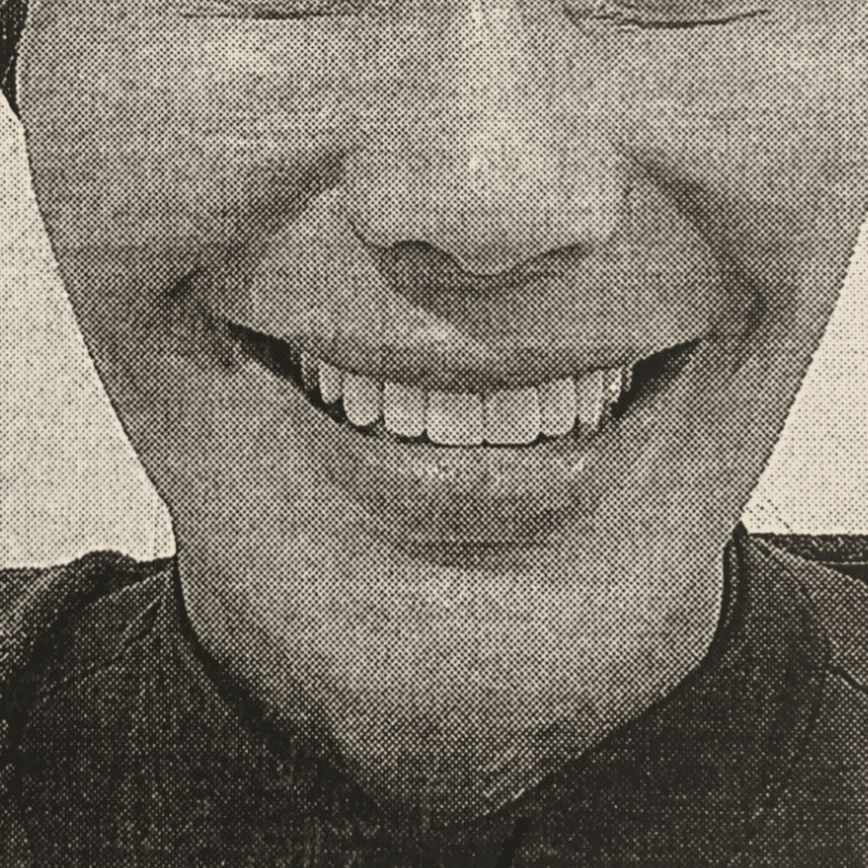
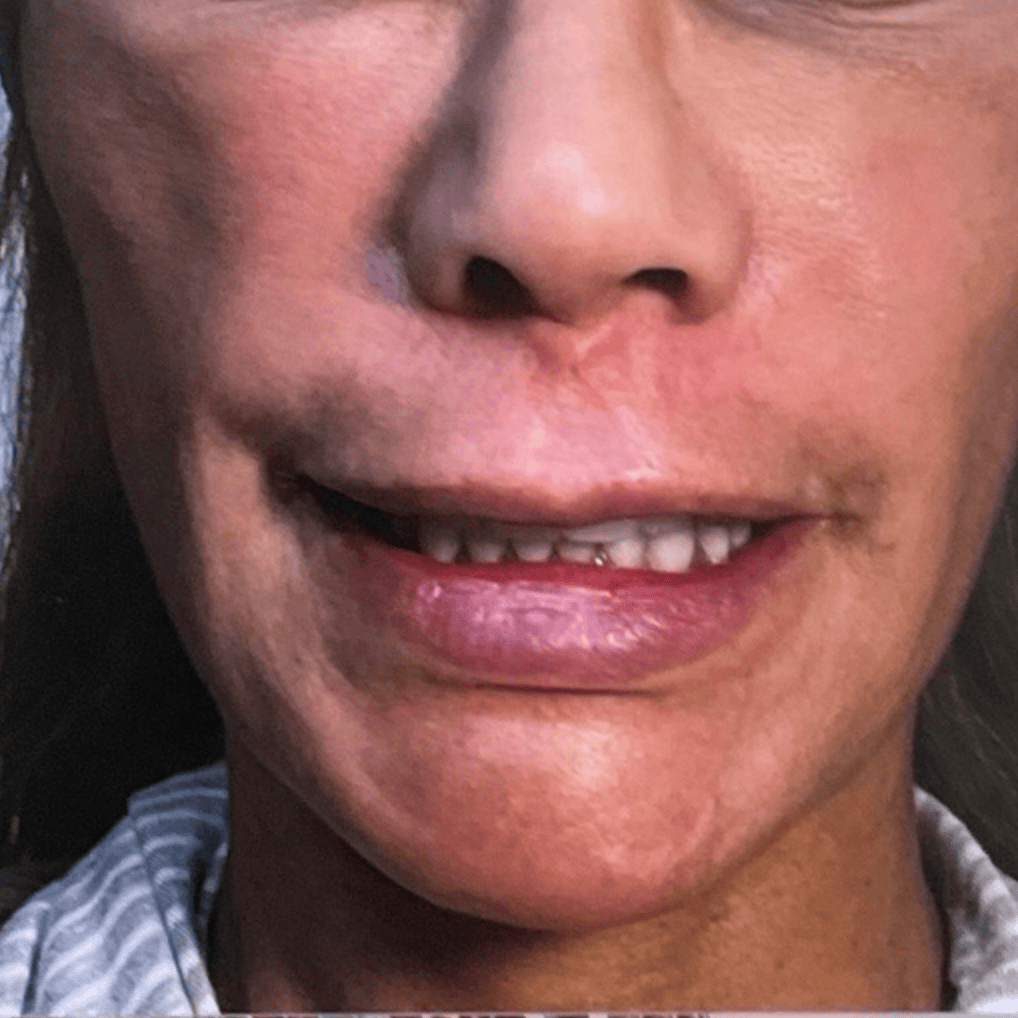
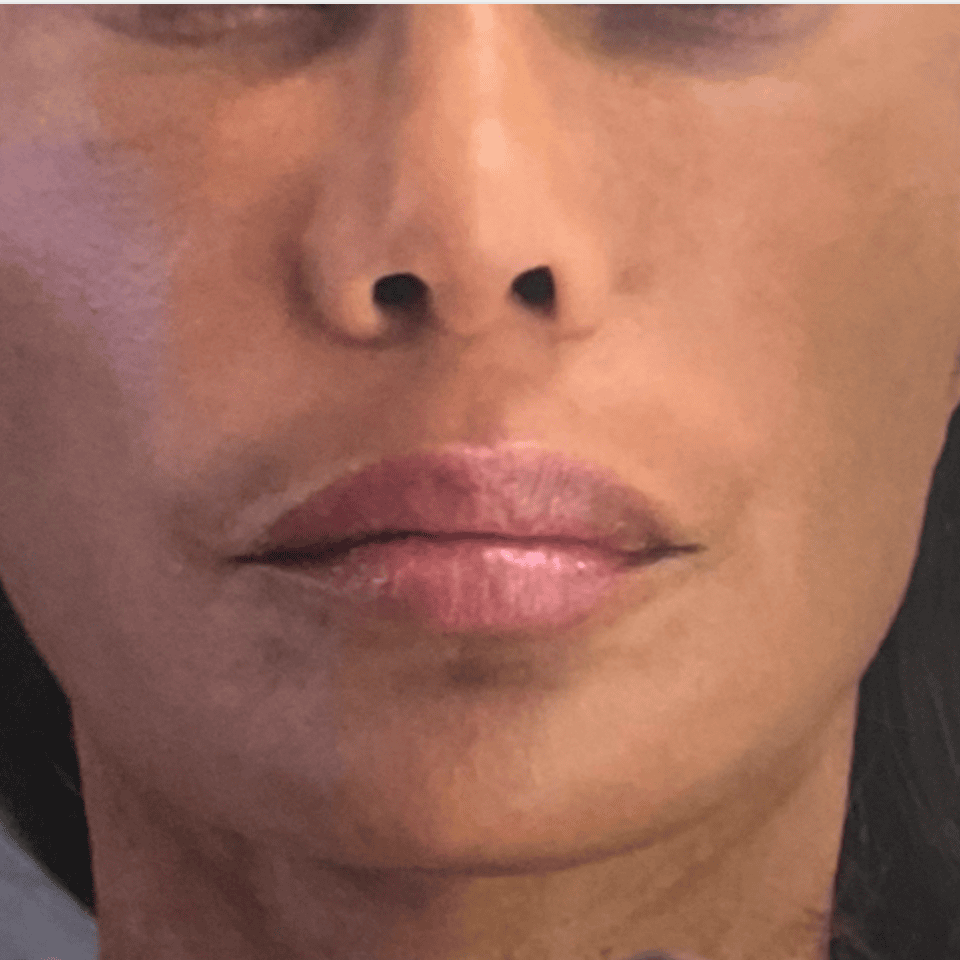
Why the 3D Facelift Looks Natural
A natural face is not tight. It is balanced.
By restoring volume to the midline and respecting anatomical layers, the 3D Facelift avoids:
- Widened mouths
- Flattened cheeks
- Overstretched skin
- Visible surgical tension
The result is not a different face.
It is your face—returned to its original position.
A Living Link Between Surgical Generations
Technique alone does not define a result. Lineage matters.
Many surgeons today learn these methods through textbooks or short courses. My experience was different—I trained directly in the operating room with the surgeons who built this field.
That perspective shapes every decision I make.
In an era driven by speed, trends, and online visibility, the 3D Facelift remains deliberately meticulous, structurally precise, and uncompromising in its standards.
The Philosophy: Preservation, Not Alteration
The goal is not transformation.
It is preservation of facial identity.
Through what I define as a Cell Preservation Technique, every structure is restored to its anatomical position—layer by layer, without shortcuts.
There are no superficial tricks. No reliance on lighting, angles, or temporary effects.
Only structure. Only precision. Only anatomy.