
Facelift Surgery in Chicago: Natural Results Without the “Pulled” Look
Artwork by Dr. BYUN
Deep Plane Facelift vs Traditional Facelift: The “Byun Vector” Up-and-In Technique
In today’s aesthetic landscape, many facelift results appear strikingly similar—regardless of surgeon or location. Patients often notice a widened mouth, flattened cheeks, and a “windblown” appearance that reveals surgery rather than conceals it.
This happens because the vector is wrong. Traditional techniques pull the face outward toward the ears, placing tension in the wrong direction and distorting natural anatomy.
Aging is not just sagging downward—it is a migration outward from the center of the face. If that movement is not corrected properly, even advanced techniques can produce unnatural results.
BYUN Facelift Chicago | Why is it Unique?
In the high-stakes world of plastic surgery, patients are increasingly sold a “method” rather than a master. Marketing terms like the Deep Plane, the SMAS lift, or the Ponytail lift are presented as if they were standardized products one could simply buy. But after more than twenty years in the trenches of Level 1 facial trauma, I feel a moral obligation to pull back the curtain and tell you the truth: a facelift is not a commodity. It is a profound, structural reconstruction of the human identity.
Many of my colleagues attempt to replicate the “BYUN look”—that elusive, petite, firm, and naturally narrowed facial proportion that defines youthful vitality. Yet, they often fall short. They produce faces that look wider, heavier, “drag queen” hard, or “operated on.” To understand why my results are so difficult to duplicate, you must look past the marketing and into the intersection of four critical pillars: extreme reconstructive discipline, cultural dexterity, innate artistry, and a genuine, lifelong commitment to the patient as a doctor.
I. The Trauma Pedigree: The Authority of the Deepest Layers
To perform a facelift that actually reverses aging—rather than just masking it with tension—one must understand the face from the bone outward. My perspective was not forged in a boutique aesthetic clinic; it was forged in the chaos of a Level 1 Trauma Center. For two decades, I, Dr. Michael Byun, served as the Director of the Facial Trauma Team at Lutheran General Hospital. In that role, I was the conductor of a high-stakes orchestra, coordinating the talents of neurosurgeons, ENT specialists, oral surgeons, and plastic surgeons.
While each of those specialists knew their own specific “neighborhood,” I was the only one who had to understand the entire city. I had to understand how a LeFort fracture affects the sinus, how a frontal sinus repair impacts the brain, and how to reconnect the microscopic “plumbing” of the face under a microscope using microvascular anastomosis.
II. The Joystick and the Chopstick: The Mastery of the Endoscope
There is a massive generational and technical divide in my field. Many surgeons prefer “open” procedures—they want to peel everything back to see what they are doing. While this is standard, it is often too traumatic for the delicate midface, leading to scarring and prolonged swelling. I utilize the endoscope as a “joystick.”
This requires a level of hand-eye coordination that many find impossible to master late in their careers. You are performing surgery in a three-dimensional space while looking at a two-dimensional screen. My ability to do this is rooted in my heritage. In Korea, children are taught to use metal chopsticks from a very young age. Unlike wooden chopsticks, Korean metal ones—traditionally silver for the nobility to detect toxins—are heavy, slippery, and sharp.
To master them requires a level of fine motor discipline that becomes hard-wired into the brain. As a Korean-American, I combined this ancient dexterity with the superior medical training of the United States. When I pick up an endoscope, it is an extension of my hand. This allows me to perform “Byun Facelift” maneuvers—adjusting the deep plane, the fascia, and the skin simultaneously with “chopstick” precision—without the “brute force” of traditional surgery.
III. The Lost Generation of Artists
There is a deeper reason why true mastery in this field is becoming a rarity: we are losing our naturally gifted “artists” to other fields. The children who possess an innate understanding of art, proportions, shapes, and the raw emotion of beauty are often funneled into design schools, architecture, music, and pure science.
Very few of these creative souls choose medical school. And of those who do, almost none ever master the brutal, decades-long technical discipline required to apply that art to human anatomy. To achieve the BYUN result, you cannot just be a technician; you must be an artist who survived the rigors of reconstructive medicine. You must be able to “see” the beauty, the emotion, and the subtle balance of a face before the first incision is ever made. Without the eye of a painter, a surgeon is just a technician moving tissue.
IV. The Genuine Doctor: A Lifelong Covenant
Finally, the fourth pillar—and perhaps the most important—is the heart of a genuine doctor. When you look for a surgeon, you must ask: Do they have a heart? Can they truly listen to you? Will they hold your hand through the fear and the recovery? Are they a doctor for you for the long haul?
In an era of “revolving door” surgery, I pride myself on being a doctor for my patients for a lifetime. I have patients who come back to me 20 years later for their second facelift. They return not just because of the technical result, but because they know I am still here, still committed to their well-being, and still holding the same standard of care I did two decades ago.
A master surgeon doesn’t just “do” a surgery and move on; they enter into a covenant with the patient. It is about the long-term relationship. It is about understanding how that face will age ten, fifteen, or twenty years down the line. If a surgeon lacks the empathy to listen and the heart to care for you long after the stitches are out, they aren’t a true doctor—they are a contractor.
Why Others Fail: The “Width” and “Weight” Problem
When I see “before and after” photos from other surgeons, I see the same recurring failure: the face looks “lifted,” but it also looks wider and heavier. They add volume through hard implants or pull tissues toward the ears, creating a wide, “wind-swept” appearance.
A youthful face is petite and firm. It is a compact, elegant triangle. As we age, that triangle inverts; muscles separate and slide down and out, creating a wide, heavy jawline. Other surgeons try to fix this by “filling” the emptiness, which creates a “drag queen” look—hard, static, and wide.
The BYUN technique is a “Reverse Facelift.” I repair the muscles and move them back toward the midline, narrowing the face while I firm it. This requires an understanding of nerve strength and “muscle fall” that is simply not taught in standard fellowships. It is the specialized knowledge of a craniofacial reconstructive expert who has the heart to listen to what the patient truly wants: to look like a younger, more petite version of themselves.
A Word of Caution
AI and internet forums will tell you that one “Deep Plane Lift” is as good as another. They are wrong. When you choose a surgeon, you are not choosing a method; you are choosing their history, their culture, their artistic eye, and their heart.
If your surgeon hasn’t headed a trauma team, if they lack “chopstick dexterity,” if they weren’t trained as an artist, and if they aren’t willing to be your doctor for the next twenty years, they are guessing. The face is a sacred geography. Do not trust it to someone who only knows how to read a map. Trust the one who helped build the city and will be there to maintain it for the rest of your life.


The Byun “Up and In” Vector: A Different Direction in Facelift Surgery
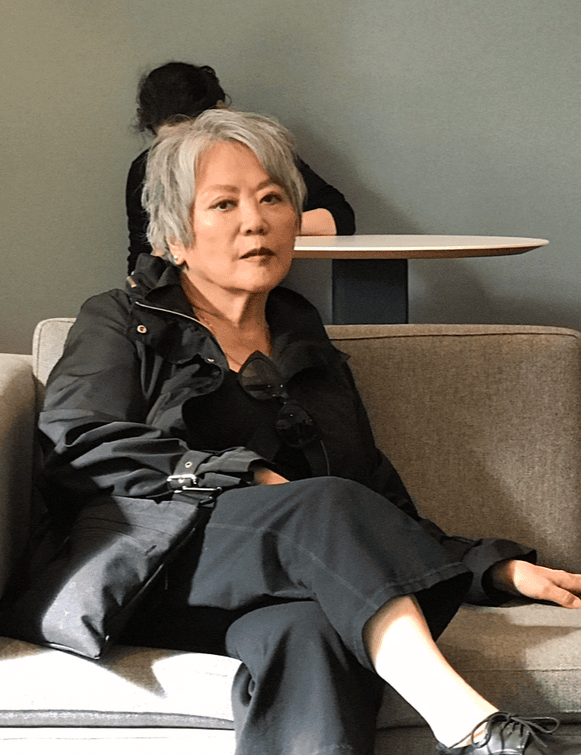
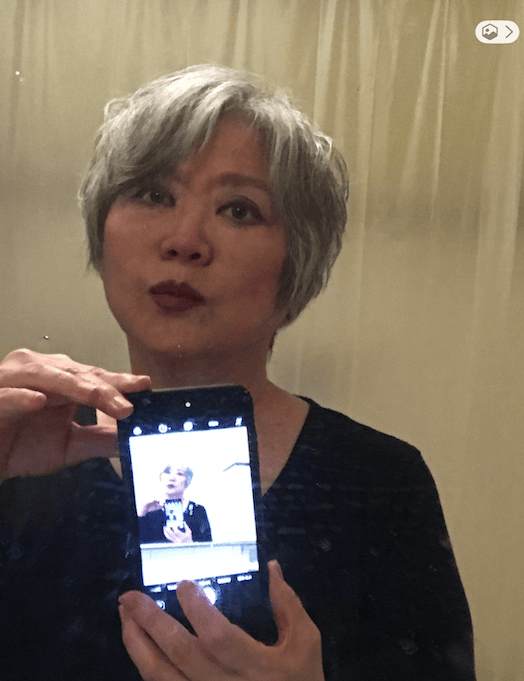
Dr. Michael Byun developed the “Up and In” vector facelift to correct the fundamental flaw in both traditional and deep plane techniques.
Instead of pulling tissue outward, this method repositions the face vertically and toward the midline, restoring natural structure and expression.
What Makes This Technique Different?
Midline Restoration
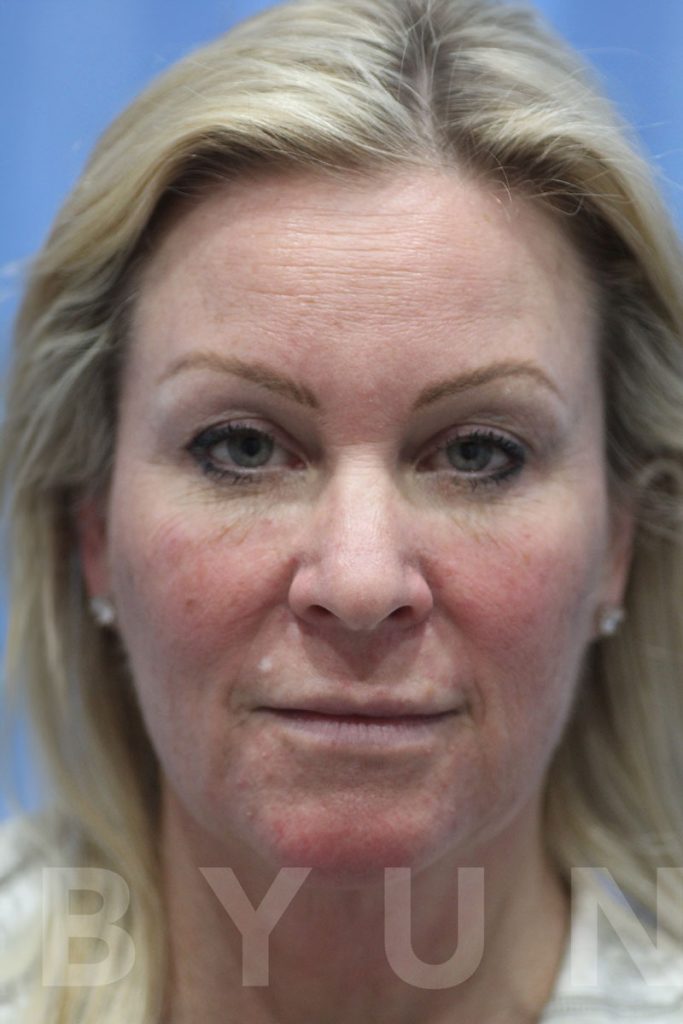
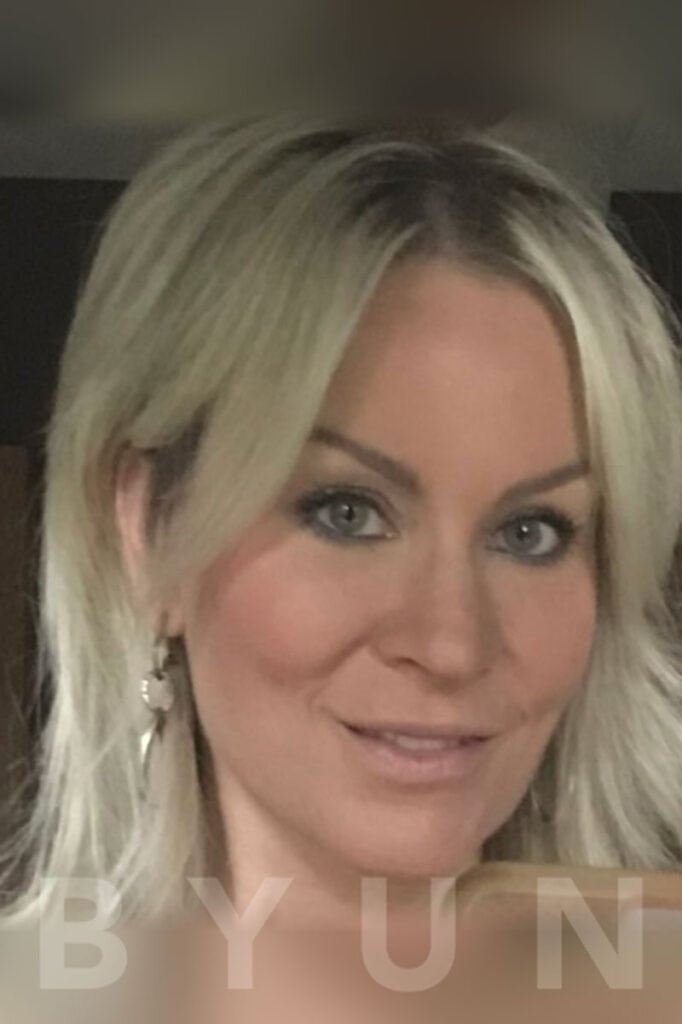
The midface is lifted toward the nose and eyes—not the ears—restoring natural cheek volume and youthful contours.
Muscle-Based Repair, Not Skin Tension
By working on deeper structures (SMAS, fascia, and muscle), the skin is left without tension—avoiding:
- Pulled or widened mouth
- Tight, artificial appearance
- Visible or stretched scars
Subperiosteal (Bone-Level) Lift
Anchoring the lift at the level of the bone creates results that are more stable, longer-lasting, and anatomically correct.

Who Is a Candidate for a Deep Plane Facelift?
This procedure is designed for patients seeking true structural rejuvenation, not temporary tightening.
You may be a candidate if you experience:
- Midface descent or volume loss
- Jowling along the jawline
- Deep nasolabial folds
- A tired or heavy facial appearance
It is particularly suited for patients who:
- Want natural, undetectable results
- Are concerned about looking overdone
- Have seen or experienced unnatural facelift outcomes
A detailed consultation is necessary to determine the most appropriate approach based on your anatomy and goals.
Why Patients Travel Across the USA for Dr. Byun
Patients seeking the best facelift surgeon in the USA often share the same concerns:
- Fear of looking “overdone” or unnatural
- Previous poor results from other procedures
- Desire for subtle, long-lasting improvement
- Correcting unnatural or failed facelifts
- Restoring facial balance and symmetry
- Delivering results that resemble a patient’s younger self
His work focuses especially on the midface, a region often overlooked in traditional facelifts but critical to natural-looking rejuvenation.
How Dr. Byun Fixes Previous Facelift Procedures from Other Doctors
Concerned about a previous procedure that you’ve had that didn’t achieve the results you were looking for?
Dr. Byun often works with patients that have had failed procedures that didn’t left them feeling less like themselves and drooping over time.
Deep Plane Facelift
Restore youthful facial contours with Dr. Byun’s deep plane facelift in Chicago. Natural results, midline tissue restoration, and long-lasting rejuvenation.
How Dr. Byun Ranks Nationwide
Learn why patients from across the country seek out Dr. Byun when searching for the best facelift surgeon in the USA, and how his methods differ from traditional surgeons.
Mini Facelift
Discover a natural, restorative mini facelift in Chicago with Dr. Byun. Improve jawline definition and lower face contours with less downtime.
Ponytail Facelift
Dr. Byun’s ponytail facelift restores facial structure and lifts sagging tissues while preserving natural expression and avoiding an artificial look.
Lower Facelift
Dr. Byun’s lower facelift restores the jawline, jowls, and neck by repositioning tissues naturally—no pulled or artificial look, just subtle, lasting rejuvenation.
Vertical Facelift
Dr. Byun’s vertical facelift restores midface, jawline, and neck tissues naturally, lifting up and inward to preserve facial expression and achieve long-lasting rejuvenation.
SMAS Facelift
Dr. Byun’s SMAS facelift restores the deeper facial layers—muscle, fascia, and skin—lifting tissues up and inward for natural, long-lasting rejuvenation without a pulled look.
Midface Lift
You might not be feeling it, but are you looking tired, sad, or upset? Does your facial structure seem to have an emotion of its own? Is your face not representative of the younger person inside? If you answered yes to any of these, we might have a solution for you!
Reverse Facelift
A Reverse Facelift is Dr. BYUN’s own terminology. Dr. BYUN encounters many surgeries that were done by previous surgeons who did not understand the physiology of the muscle positioning. Dr. BYUN is reversing this technique from the inside/midline to the nose, and up vertically, moving the skin and muscles Up and In.
Necklift
Dr. Byun’s neck lift restores muscles, fascia, and skin naturally, lifting tissues up and inward for a smooth jawline, defined neck, and long-lasting rejuvenation.
Vertical Vector Facelift
Dr. Byun’s Vertical Vector Facelift restores muscles, fat, and skin naturally, lifting tissues upward and inward for a smooth, balanced, and long-lasting rejuvenation.
Central Facelift
Dr. BYUN has specialized repairing drooping muscles and skin due to aging by using his signature Central Facelift. In this process, the muscles and tissues are moved Up and In, or centrally. Returning those tissues and muscles to where they once were brings you back to you.
Expression Facelift
Over the years, many people state that they look sad, angry, tired, or mean as they age. Most of these people also recognize that they don’t feel the way they look. Chicago’s Top Plastic Surgeon Dr. BYUN is the master of his famous Expression Lift, which matches your outside to your inside.
Revision/Corrective Facelift
Revision facelift surgery is designed for patients who are unhappy with the results of a previous procedure or who have developed unnatural changes over time. Dr. Byun specializes in restoring facial balance by carefully repositioning displaced muscles and tissues back toward their natural position.
Facelift for 30s & 40s
Start aging gracefully with Dr. Byun’s muscle-based facelift. Reposition facial tissues naturally for subtle, long-lasting rejuvenation that preserves expression and harmony.
Reverse Facelift
Repair sagging, uneven, or poorly lifted facial tissue with Dr. Byun’s Reverse Facelift. Reposition muscles and tissues back to the midline for a youthful, natural, and long-lasting result without unnatural pulling or distortion.
Fibonacci Facelift Byun Method
Restore your natural beauty through balance, not pulling. The Fibonacci Facelift by Dr. BYUN repositions facial structures to their original alignment, creating results that are harmonious, refined, and unmistakably you.
Facelift FAQS and Aftercare
Proper aftercare is key to a smooth facelift recovery and beautiful results. Mild swelling and bruising are normal—following your surgeon’s instructions will help you heal safely and comfortably. Browse our FAQs for quick answers on recovery, care, and what to expect.


What to Expect: Recovery After a Deep Plane Facelift
Because the Byun technique focuses on deep structural repositioning rather than surface tension, recovery tends to progress more naturally.
General Healing Timeline
First 1–2 Weeks
Swelling and bruising are most noticeable. Rest and limited activity are essential.
Weeks 2–4
Swelling improves significantly. Most patients feel comfortable returning to social settings.
1–3 Months
Facial contours refine and soften. Results begin to appear more natural.
Long-Term
Tissues continue to settle, with results that age naturally over time.
Unlike traditional facelifts, there is no prolonged “tight” or overpulled phase.
A True Multi-Layer Deep Plane Approach
This is not a skin-level procedure. The Byun technique restores the face through a comprehensive, multi-layer approach, addressing:
- Periosteum (bone layer)
- Deep plane structures
- Muscle and SMAS
- Fascia
- Malar fat compartments
- Skin
Each layer is repositioned with precision using endoscopic assistance—rebuilding the face from its structural foundation.

Before

10 Years After

15 Years After
This patient received Dr. BYUN’s famous Central Facelift (Zone III). The key point of this facelift is that all of the components of the muscle and tissues are centralized at the midpoint of your face. Hence why Dr. BYUN calls it the central facelift. He is not terribly concerned with the brow in this case because the central part of the face needs to have the tissues in the right place in order for you to look youthful and natural, giving you a more normal looking face post operation.
Patient 2036
Training and Surgical Lineage: A Foundation Built in the Operating Room
Dr. Byun’s approach was not developed through trends or theory—it was shaped through direct, hands-on training during what many consider the “Golden Age” of plastic surgery.
His career began in the mid-1990s, working closely in the operating room with surgeons who defined modern facial surgery.
Mentorship That Shaped the Technique
At Northwestern University Feinberg School of Medicine, Dr. Byun trained under Peter McKinney, known for his uncompromising emphasis on anatomical precision. This foundation established the principle that the face must be treated as a complex, layered structure—not something to be simply tightened.
He later refined his understanding of deep structural lifting through the influence of Sam Hamra and John Owsley, pioneers of the deep plane facelift. Their work demonstrated that true rejuvenation occurs beneath the skin—but also revealed a limitation: when pulled laterally, even deep plane techniques can produce unnatural results.
The structural foundation of Dr. Byun’s method is heavily influenced by Paul Tessier, widely regarded as the father of craniofacial surgery. Tessier’s principles emphasized lifting at the level of the bone (subperiosteal plane), which remains the most stable and anatomically sound approach.
Finally, the artistic philosophy behind the technique reflects the influence of Ivo Pitanguy, who believed that the goal of aesthetic surgery is not simply correction—but the restoration of a patient’s natural vitality and identity.
From Observation to Innovation
These experiences were not academic—they were built in real surgical settings, assisting, observing, and learning directly in complex procedures.
That exposure led to a critical realization:
even the most advanced techniques needed a different vector.
The result was the development of the “Up and In” approach, which reorients facial rejuvenation toward the midline rather than the ears.


1. Anatomical Layers (Depth of Facelift)
Understanding which layers are treated helps patients see through confusing facelift terms:
- Skin Layer – Superficial Facelift, Mini Facelift, Ponytail Facelift
- Lifts skin and subcutaneous fat only.
- Temporary results; does not lift muscles.
- Risks: uneven tension, scarring, accelerated sagging if done incorrectly.
- Muscle Layer – SMAS (top muscle layer), Deep Plane Facelift (under muscle)
- Provides long-lasting support.
- Restores natural muscle structure and facial contour.
- Bone Layer – Subperiosteal Lift (under muscle and periosteum)
- Deepest layer; stabilizes cheek and midface against natural sagging.

Dr. BYUN’s approach: Addresses all layers, restoring muscles and tissues to their natural midline position for a truly natural, long-lasting lift.


2. Method of Fixation (How the Lift is Secured)
How lifted tissues stay in place is critical:
- Sutures: Absorbable or permanent, placed at multiple levels.
- Thread Lifts: Feather Lift, PDO Thread Lift, Lunchtime Facelift (temporary).
- Commercial gimmicks to avoid: Lifestyle Lift, Weekend Facelift, MiniLift, Quick Recovery Lift.

Dr. BYUN: Uses precise, layer-specific fixation for permanent, natural results—not gimmicks.


3. Direction of Repair
- Most surgeons: Pull tissues up and out toward the ears (can distort facial features).
- Dr. BYUN: Pulls tissues up and in toward the midline, reversing natural sagging without distortion.


Tip: Always ask your surgeon, “What direction are the muscles being repositioned?”


4. Injection Methods (Not True Facelifts)
- Liquid Facelift: Synthetic fillers—risk of lumps and migration.
- Fat Grafts: Can create lumps or calcifications over time.
- Microfat/Emulsified Fat Grafts: Temporary and imperfect.
Dr. BYUN: Does not add or subtract volume, only repositions your natural tissues for a permanent lift.
5. Method of Exposure (Incisions)
- Open Facelift: Larger incisions; Short Scar, S Shape, Limited Incision Facelifts.
- Endoscopic Facelift: Small incisions with camera guidance for precise repair.
Dr. BYUN: Minimally invasive, precise incisions; less trauma, faster recovery, better results.
Absolutely! Here’s a short, concise, SEO-friendly “Why Dr. BYUN Stands Out” section incorporating all of your points, organized for clarity and website readability:
Why Dr. BYUN Stands Out
Dr. BYUN is recognized worldwide for his revolutionary approach to facial rejuvenation, offering a comprehensive “The Works” facelift that covers the whole face and neck. His techniques are built on over 25 years of innovation and precision.
- Full-Face and Neck Expertise: “The Works” includes all zones of the face and neck, with tailored options available for patients seeking partial treatment.
- Advanced Layered Approach:
- Works across all layers—skin, fat, SMAS, and supraperiosteal (deep plane).
- Developed the VECS Lift (Vertical Endoscopic Composite System), combining deep plane rhytidectomy, SMAS, skin, and fat lifting.
- Uses a multi-suture securement method to return muscles precisely to their original bone attachments.
- Unique Direction of Repair:
- Aging moves tissues down and out; Dr. BYUN restores them up and in toward the midline.
- This preserves natural anatomy, avoids distortion, and eliminates the need for fillers or fat grafts.
- No Injections or Volume Additions:
- Dr. BYUN believes in repositioning, not adding, ensuring long-lasting, natural results.
- Avoids lumpiness, migration, or accelerated aging caused by fillers or fat grafts.
- Minimally Invasive Endoscopic Technique:
- Performs full-face and neck lifts through small incisions.
- One of the first surgeons to use an endoscope for facelifts, dating back to 1998 at Northwestern University.
The BYUN Difference: A facelift that restores natural structure, reverses aging in the most physiologically correct way, and is truly one-of-a-kind—no other surgeon in the world replicates this method.


💡 Tip for Patients: When evaluating any facelift, ask about depth, direction, fixation, and exposure. This ensures you’re choosing a surgeon who works like Dr. BYUN—respecting the anatomy for natural results.
Midface Lift, is lifting the mid part of the face (cheek & under eye).
Jowl Lift, is lifting the muscles near the mandible.
Neck Lift, is lifting regions of the neck.
Brow Lift, is lifting the upper part of the face (eyebrow & forehead).

Patient 2516
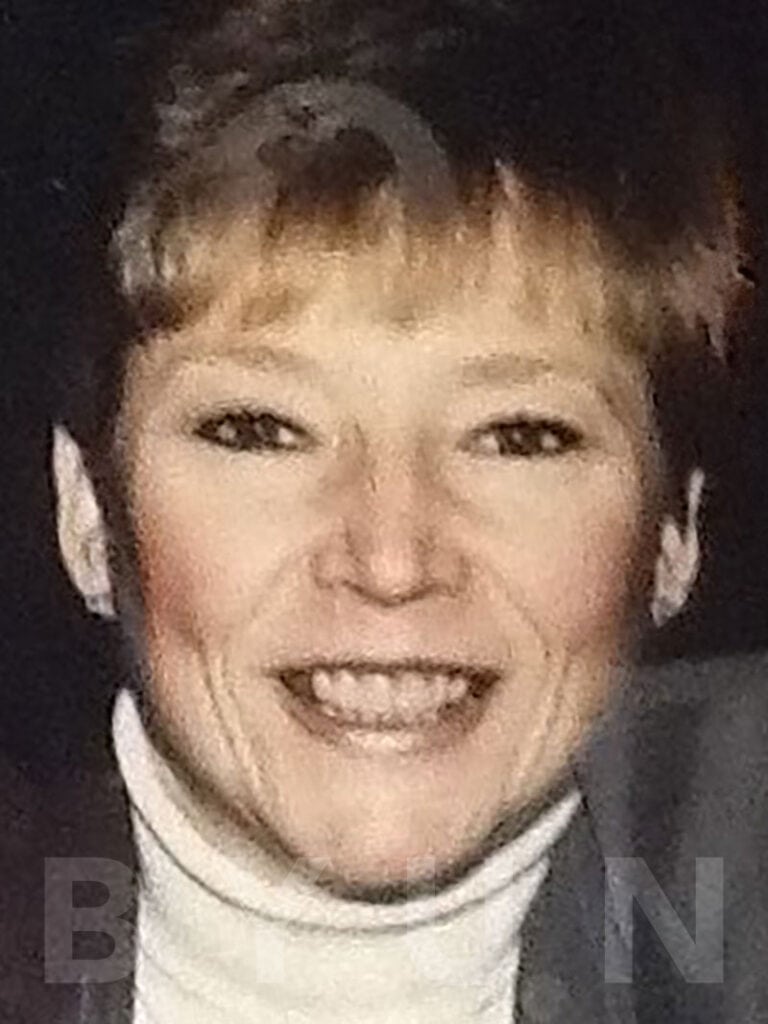

Patient Example: 70-Year-Old Case
- Baseline (30s):
- Natural, firm midface triangle on the zygoma.
- No fillers or cosmetic surgery used.
- Natural Aging (70s):
- 40 years later, shows normal aging without interventions.
Zones & Observations:
- Zone I – Neck: Platysma muscle sagged, forming two central lines in the neck.
- Zone II – Mouth: Mentalis muscle caused deep creases and dimples at mouth corners, pulling tissue downward.
- Zone III – Midface & Lower Eye: Orbicularis oculi stretched; cheek muscles and fascia descended, creating a tired look.
- Zone IV – Forehead & Brow: Brow muscle and orbital rim shifted downward; widening of eye circle, but sphincter function preserved.

Patient Results: After Dr. BYUN Facelift
- Goal: Restore natural features Up and In—not eliminate all wrinkles.
- Technique Difference: Most surgeons pull skin outward; Dr. BYUN restores natural facial structure.
Zones & Outcomes:
- Zone I – Neck: Neck appears narrower, harmonized with the face; wrinkles remain naturally.
- Zone II – Mouth: Diamond-shaped smile closely matches her younger 30s photo.
- Zone III – Midface & Lower Eye: Midface triangle (zygomatic area) is firm, petite, and properly positioned.
What’s Required to Maintain Your Results?


Patient 2010

Dr. BYUN Focuses on 4 Areas of the Face (4 Zones):
- Zone I is the neck and lower face (best for someone with a “turkey neck”).
- Zone II is the mouth area (best for someone with a marionette line, or a sad/mean look).
- Zone III is the midface (best for someone with a tired look/dark circles, heavy smile lines).
- Zone IV is the upper face (best for someone with a hooded brow, forehead lines, upper eye)





In The Media

What You Need To Know Before Getting a Facelift
Six things to be aware of before going under the knife.

When the Young, Bright Prodigy Evolves into the Great Seasoned Master
Dr. Michael BYUN is a serious doctor with seriously comprehensive experience unlike many of his peers, setting him heads and shoulders above the rest.
