As the pioneer of the “BYUN Method”, a completely radical and atypical way of approaching facial surgery, I notice that in the field of facial rejuvenation, we’ve been taught a simple idea: aging happens because things get loose — so we pull them tighter.
It sounds logical. It feels intuitive.
But anatomically, it’s wrong.
As a plastic surgeon who treats Level 1 facial trauma and collaborates with the Biomedical Engineering department at Northwestern University, I don’t see aging as a skin problem. I see it as structural descent.
The face is not a curtain that needs tightening.
It’s a muscular architecture that has shifted downward.
And when we respond to vertical descent with horizontal force, we create distortion.
The Standard Mistake: The Lateral Trap
Many traditional facelift techniques — including SMAS, High SMAS, and even some Deep Plane variations — rely primarily on lateral tension. Tissue is pulled outward, toward the ears, in an attempt to recreate lift.
But aging doesn’t occur laterally.
Muscles descend vertically. Fat pads shift downward and medially. Ligamentous support attenuates. When those changes are treated with sideways pulling, the face is forced into unnatural vectors.
That’s when we begin to see:
- The widened mouth
- The flattened, over-tight midface
- The “wind-tunnel” look
- A subtle but undeniable loss of identity
Patients may not know the terminology. But they know something feels off.
When you pull laterally, you are fighting both physics and anatomy.
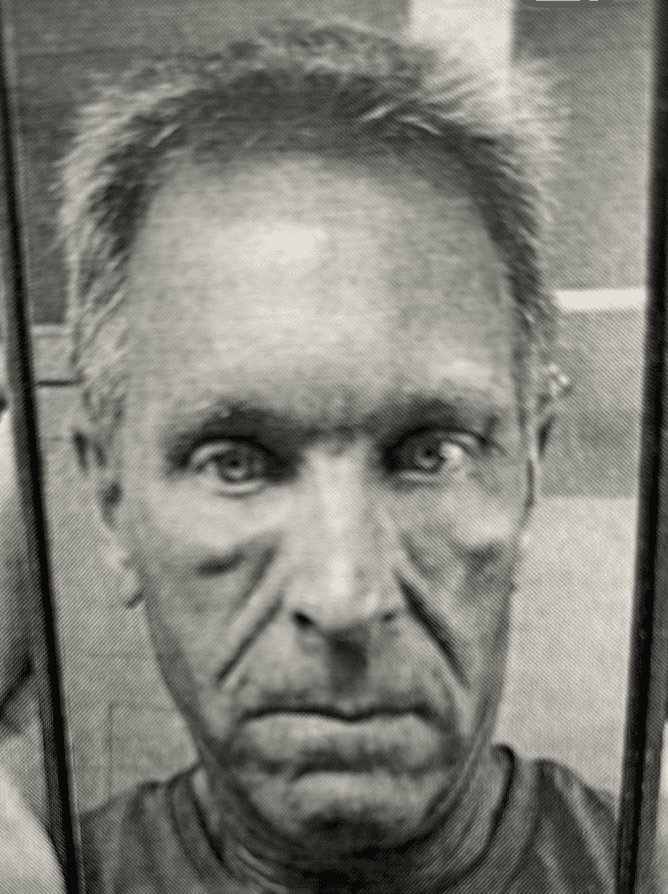
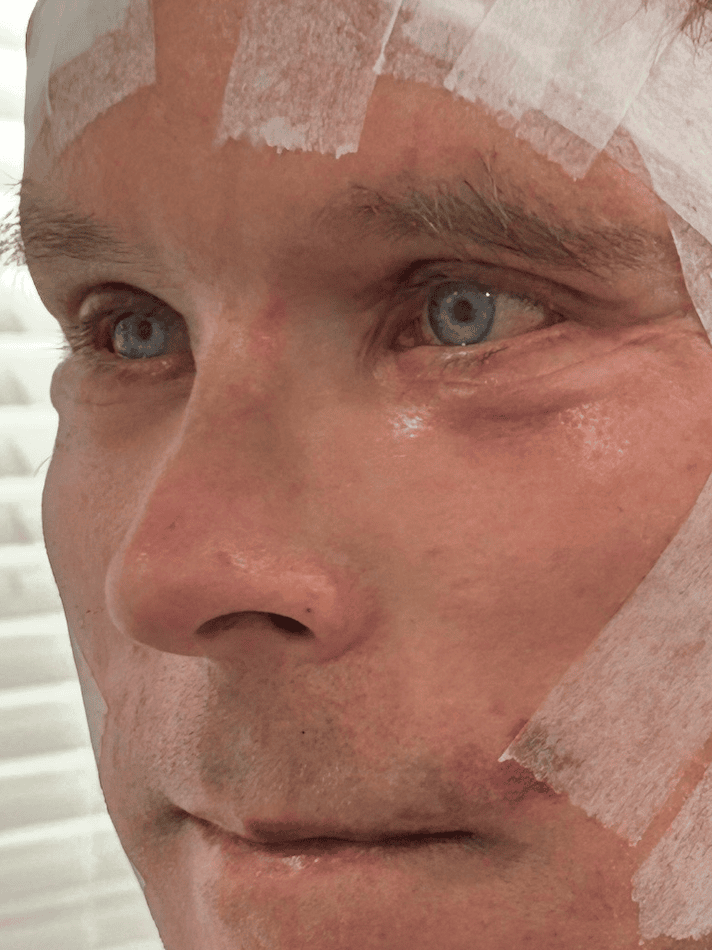
A Different Philosophy: Muscle Restoration
Over years of anatomical research and trauma reconstruction, I developed what I call a “Backwards” approach — not because it is radical, but because it moves in the opposite direction of distortion.
Instead of pulling outward, we reposition inward and upward.
1. Repositioning, Not Stretching
The goal is to return descended muscle closer to its original midline position — not to stretch it tighter across the face.
2. Respecting the Vertical Vector
Youth is not sideways. It is vertical and medial. By restoring support toward the center, we reestablish natural cheek projection and three-dimensional contour — often reducing the need for excessive fillers.
3. Preserving Anatomical Integrity
This approach isn’t just about aesthetics. It’s about honoring the engineering of the human face. Structure first. Surface second.
In trauma surgery, we don’t camouflage distortion. We reconstruct anatomy. The same principles apply in aesthetic revision.
The Modern Revision Patient
In my Chicago practice at Chicago Cosmetic Surgery, I frequently see patients who are devastated after prior procedures performed elsewhere. They use words like:
- “Stuffed”
- “Pulled”
- “Unnatural”
- “I don’t look like myself.”
These cases are rarely simple. Many involve previous facelifts layered with years of fillers, threads, or energy-based treatments. Scar tissue alters planes. Volume migrates. Normal anatomy becomes distorted.
A standard revision — meaning more pulling — cannot solve a vector problem.
It requires deconstruction of prior distortion and deliberate restoration of muscle position.
A Call for Clinical Collaboration
To my colleagues in Dermatology, Oral Surgery, ENT, and Plastic Surgery: when a patient’s anatomy has been compromised by aggressive lateral pull techniques or migrated injectables, the solution is not tighter tension. It is structural correction.
These are not cosmetic touch-ups. They are anatomical repairs.
The future of facial rejuvenation must move away from the obsession with tightness and toward restoration.
Let’s stop pulling faces sideways.
Let’s start putting them back where they belong